
When people talk about ambulance fleet management, the focus often goes to the newest vehicles arriving at the station. But the real work starts long before that.
Behind every fleet renewal is careful planning: analyzing vehicle lifecycles, balancing budgets, and making strategic decisions that maximize the value of each ambulance over time.
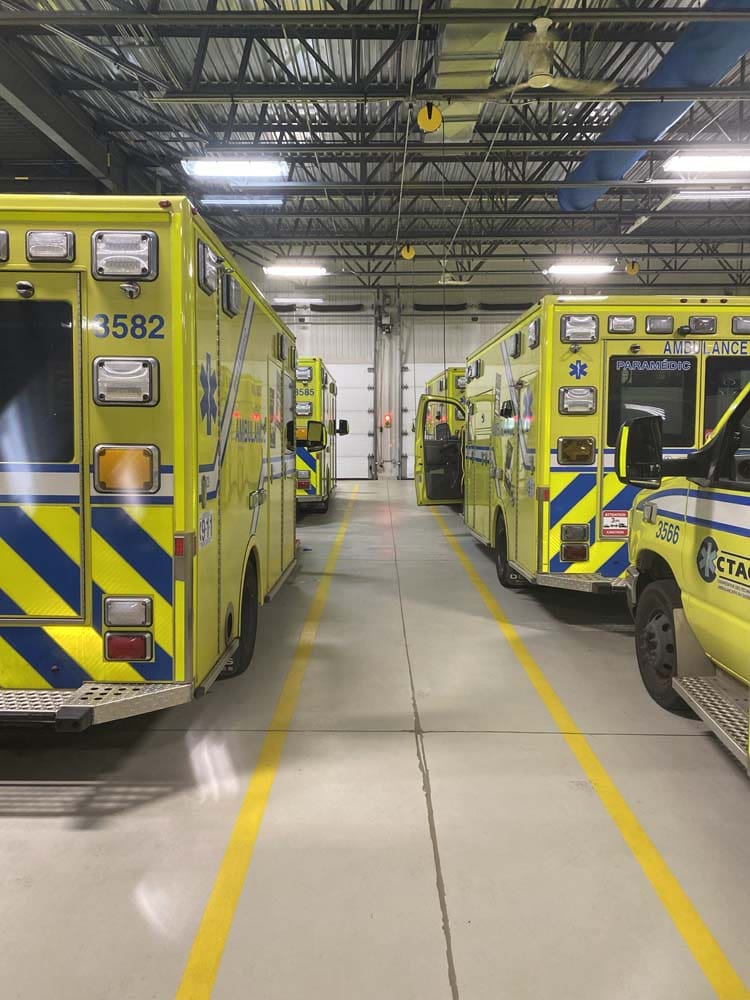
Across Canada, EMS organizations face similar pressures: tight budgets, long manufacturing lead times, and the need to always keep frontline vehicles available. Despite these constraints, the goal remains the same: providing paramedics with reliable, safe vehicles to serve their communities.
At the Coopérative des techniciens ambulanciers du Québec (CTAQ), planning is part of the daily work of Fleet Manager Frédéric Plante. With nearly 65 ambulances in service, every decision contributes to a long-term strategy designed to keep the fleet modern, reliable, and financially sustainable.
Over time, one approach has become increasingly central to that strategy: a mixed procurement model combining brand-new ambulances and remounts.
Fleet renewal starts years before vehicles leave the road
For CTAQ, maintaining a reliable fleet means replacing vehicles on a predictable cycle. Each year, they renew a portion of their ambulances, ensuring acquisition costs are spread over time while maintaining operational consistency.
“We replace about 20% of our fleet every year, so that means roughly 12 vehicles are ordered annually, whether they’re new ambulances or remounts.”
Frédéric Plante
To keep this cycle running smoothly, orders are typically placed about 18 months before delivery, allowing new vehicles to arrive just as older ones are retired.
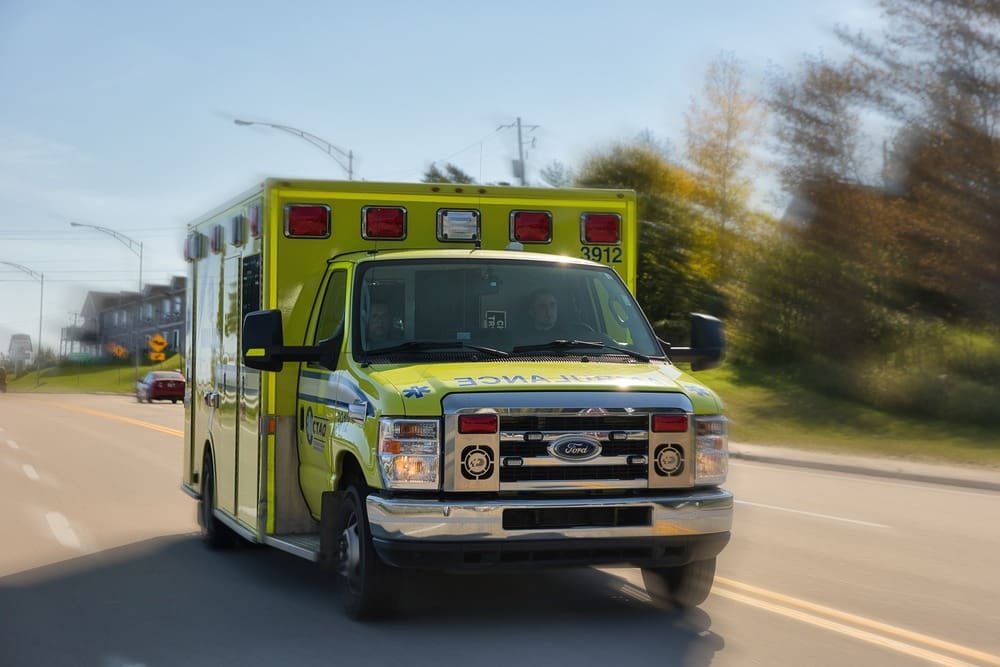
Mileage is one of the key benchmarks used to determine when a vehicle leaves service.
“We aim for about 250,000 to 275,000 kilometres per vehicle, but recently we’ve pushed some up to 325,000 kilometres while the supply chain was catching up,” explains Plante, who has seven years of fleet management experience, including the last two at CTAQ.
Why standardizing ambulances simplifies fleet operations
CTAQ operates across four administrative regions and seven operational bases, employing more than 500 people. To simplify operations, the cooperative has gradually standardized most of its fleet around a single ambulance model.
“For about the last ten years, we’ve only been adding MX 164 ambulances across the cooperative.”
Frédéric Plante
This consistency brings several benefits:
- simpler mechanical maintenance
- streamlined parts management
- easier paramedic training
It also makes remount planning significantly easier. When patient care modules share the same configuration, reusing them becomes much simpler.
Patient modules often outlast the chassis
When an ambulance reaches the end of its service life, not every component is worn out. In many cases, the patient care module remains in excellent condition, even after years of use. The chassis, however, eventually reaches its mechanical limits as mileage increases and maintenance costs rise.
That’s where remounting comes in.
By transferring a well-maintained patient module onto a new chassis, organizations can extend the life of that module for several additional years.
“From a sustainability standpoint, it makes sense,” says Plante. “Even when we retire ambulances with more than 300,000 kilometres, the patient module is still in great shape. It’s good to know it can have a second life.”
Frédéric Plante
Remounting also helps reduce the demand for new raw materials. “With what’s happening around resource availability, metals like aluminum, for example, remounting can help companies avoid some volatility if prices or supply become more challenging,” he adds.

Lower costs and shorter lead times
Beyond sustainability, remounting can represent a substantial financial advantage.
Because the patient module is reused, acquisition costs can be significantly lower than purchasing a fully new ambulance. The final price of a remount can vary depending on factors such as the condition of the donor vehicle, the module year, and the refurbishment options selected.
For CTAQ, the financial impact is clear. “If two-thirds of the 12 ambulances we buy each year are remounts, we’re looking at roughly $500,000 in savings,” says Plante.
Remounting also helps address one of the biggest challenges currently facing EMS fleets: delivery times. “A brand-new module can take up to 18 months to be delivered. Remounts are usually more in the 9-to-12-month range,” he notes.
This shorter turnaround has allowed CTAQ to maintain its fleet renewal pace despite recent supply chain disruptions.
How remounts became a core part of CTAQ’s strategy
When CTAQ first started integrating remounts into its procurement strategy, they represented a smaller portion of the fleet renewal plan. But as the organization evaluated the condition of retired modules and the operational results, their role gradually increased.
“At first, about one-third of our purchases were remounts. Now we’re moving closer to half, sometimes even two-thirds of our orders.
Frédéric Plante
This shift is partly explained by the relatively recent age of the modules currently being retired. “Right now, we’re retiring 2020 and 2021 ambulances, which means those modules can easily get another five or six years of service,” he adds.
By combining new vehicles and remounts, CTAQ maintains a balanced renewal cycle that avoids large replacement spikes in any single year.

Fleet size can influence remount planning
With nearly 65 ambulances, CTAQ has some flexibility when scheduling remount projects. When new units arrive, ambulances leaving service can sometimes be stored temporarily before being sent for refurbishment.
“When new units come in, we keep the ones coming off the road so we can plan their second life,” explains Plante. At the time of the interview, in March 2026, several vehicles were already waiting. “I’ve got three trucks in my yard right now ready for remounting,” he says.
Smaller fleets may not always have that same flexibility. However, Plante believes remounting can still work with proper planning. “You have to think about the time of year when the operational impact will be easier to manage,” he suggests.
A hidden operational benefit
When a brand-new ambulance arrives, teams typically need to install equipment, configure components, and make several adjustments before the vehicle is ready for service.
With remounts, many of those elements are already installed within the module.
“Most of our equipment is already installed when the ambulance comes back, so we save time getting it operational,” says Plante.
The result: faster deployment.
“We save two to three hours per ambulance when putting it into service."
Frédéric Plante
Why manufacturer collaboration matters
Fleet planning doesn’t happen in isolation. It requires ongoing coordination with manufacturing partners to align delivery schedules, inspections, and remount projects.
In recent months, Plante has highlighted the strong collaboration with the Demers Ambulances team. “With Andréane, things are going really well. She’s very proactive and always on top of her files. When I have questions, the documents arrive quickly and we’re able to move forward efficiently,” he says.
This ongoing communication helps CTAQ coordinate remounts and new vehicle deliveries while maintaining clear visibility on upcoming timelines.
Sharing experiences to strengthen the industry
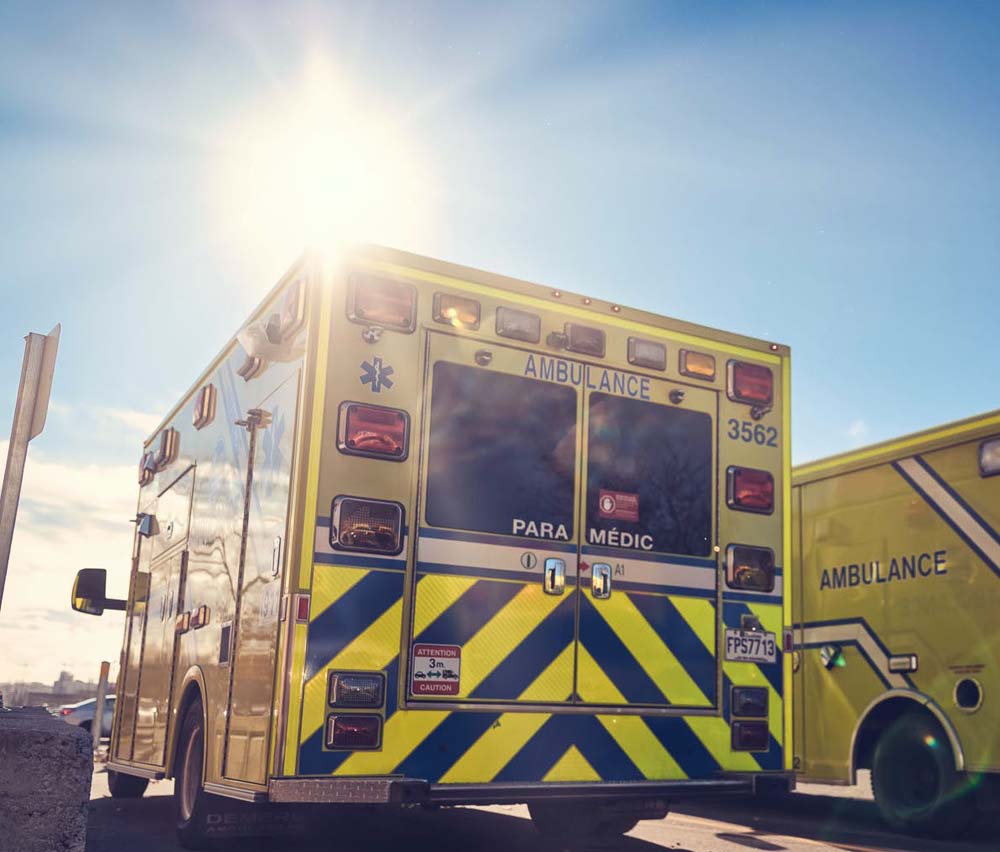
Across Canada’s EMS community, organizations don’t always have many opportunities to exchange fleet management practices.
Sharing real-world experiences like CTAQ’s can help spark new ideas and support better long-term planning across the industry.
For Frédéric Plante, one thing is clear: remounting deserves serious consideration.
“It’s definitely something worth thinking about,” he concludes. “It’s a good product, it’s well done, and we’re well supported throughout the process.”