How Laurier University is creating new options for working paramedics
Paramedics know that the profession doesn’t always come with a clear long-term roadmap. The physical and emotional demands of the job often raise important questions about career longevity and what comes next. At Demers Ambulances, we believe supporting EMS means looking beyond equipment and toward the people who use it, so we pay close attention to initiatives that support the people behind the profession. One of them is Wilfrid Laurier University’s new Bachelor of Science in Paramedicine, a part-time, online degree created for working paramedics and led by Dr. Renée MacPhee.
When Dr. Renée MacPhee talks about paramedics, her voice carries a rare mix of admiration, urgency, and love. After more than 30 years working alongside them, in research, in emergency departments, in national mental health initiatives, she’s witnessed something too many of us overlook: the extraordinary demands placed on paramedics, and the limited pathways available to them when the job, or life, becomes too heavy to carry.
“They save lives,” she says. “Yet so many of them still tell me, ‘I’m just a paramedic.’”
For the Associate Professor at Wilfrid Laurier University, that phrase was the turning point.
And it would become the spark behind a new educational movement in Canada.
Why a Bachelor of Science in Paramedicine?
The Bachelor of Science in Paramedicine officially launched in September 2025, and the response was nothing short of extraordinary.
The team expected 10 to 15 students for this first autumn term. They were delighted to welcome 119 students to the program from across the country.
Frontline paramedics, supervisors, retirees, and even a 70-year-old lifelong learner joined the very first cohort. Some enrolled to move into leadership, some to transition into community paramedicine, and others simply wanted (or needed) a new direction after a physical or psychological injury.
For many, the program provides a clear career transition that allows them to step away from the road while maintaining the value of their skills and professional background.
“They’ve been wanting this for so long,” Dr. MacPhee explains. “There’s been no exit strategy for people who couldn’t stay on the road. Not one that allowed them to continue contributing in meaningful ways.”
COVID-19 made that need impossible to ignore. While the world stayed home, paramedics entered homes, worked through fear, endured violence, and kept showing up. Many were left changed, mentally, physically, or both.
“We saw how horrible the impact was on them,” she says. “We needed to give something back.”
A program built around their reality
A program built around their reality
The Bachelor of Science in Paramedicine had to be:
Online: to reach medics from coast to coast.
Part-time: because life doesn’t pause for shift workers.
Flexible: because the profession is unpredictable by nature.
Laurier listened. The university didn’t hesitate to support a model centered around the realities of working paramedics.
And the students themselves shaped the curriculum. When asked what they needed, they said:
- Education on research
- Courses in leadership and communication
- Deeper understanding of public health, psychology, law, and wellbeing
Laurier built exactly that.
The result is a program designed to help paramedics:
Move Up: into leadership, supervision, management, or graduate school.
Move Across: into roles like community paramedicine or specialized teams.
Move Out: into public health, government, industry, research, and education, with dignity, recognition, and transferable skills.
“Whether it’s industry partners, ministries, public health departments, or new sectors entirely, this degree gives them the credentials they need,” Dr. MacPhee says. “And for those who want to pursue a master’s or even a PhD, now they can.”
Only 15 paramedics in Canada hold a PhD.
Dr. MacPhee believes this program will help build the next generation of researchers, people who can finally direct the research for the profession, not just about it.
A new kind of recognition
If this program had one hidden mission, it might be this: to show paramedics their worth.
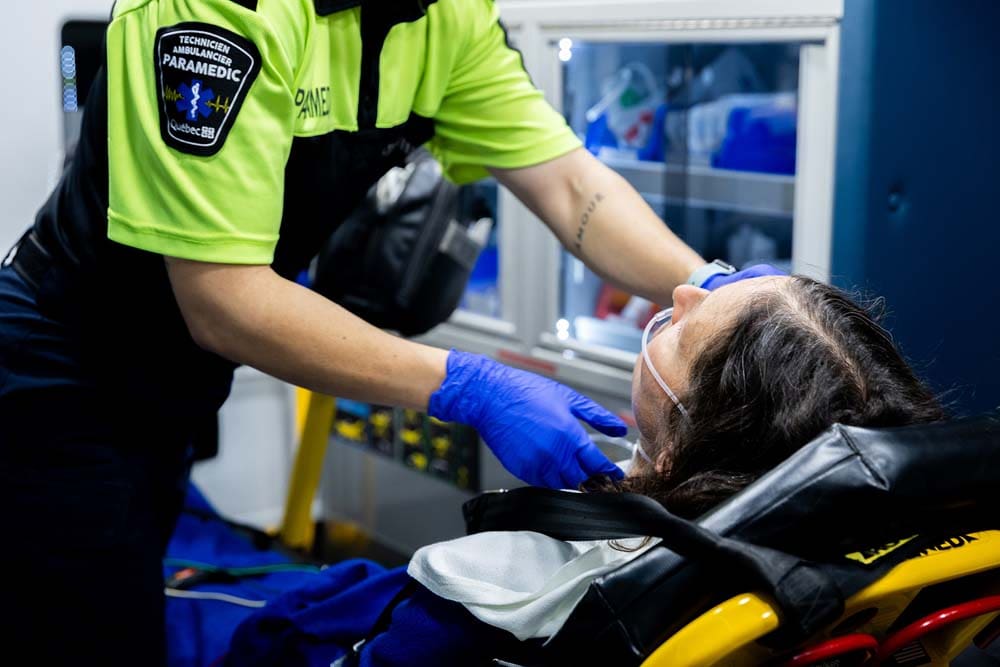
Across the interview, examples surfaced:
– Paramedics turned away from graduate studies because they “only had a diploma.”
– Paramedics were told by other health professionals that they were “just” ambulance drivers.
– Paramedics are experiencing verbal and physical violence on the job without adequate support.
“We need to celebrate them,” she says firmly. “They’re not recognized enough, not by the public, not within the healthcare system, and sometimes not even by themselves.”
A degree won’t solve everything.
But for many, it is a step toward being seen.
The impact is already taking root
Even in its first semester, the program is already changing lives.
One student wrote to say that after a career-ending injury, the degree program “has made me feel relevant again.” Others, unsure they could manage university-level writing or psychology, now feel confident, eager even, to take on the next course.
The range of students’ ages (from 27 to 70 years) speaks to a shared identity stronger than age, rank, or geography.
And for Dr. MacPhee, that is everything.
“To see their apprehension turn into confidence, that’s the whole point. This isn’t about the glory of the university. It’s about giving back.”
Hope, healing, and a future worth building
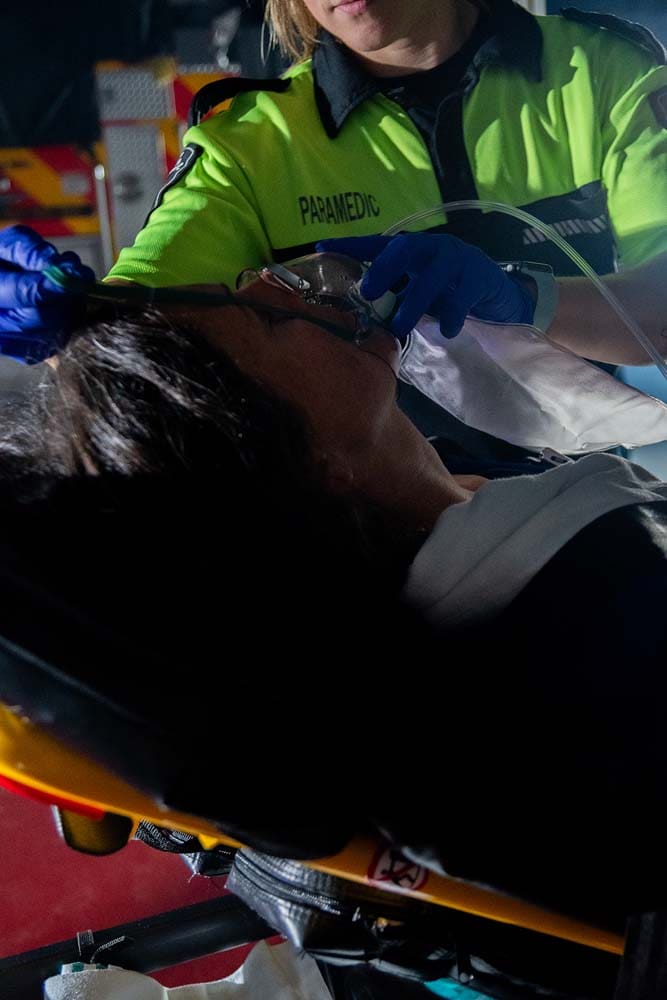
In the end, Dr. MacPhee’s motivation is deeply personal.
She has watched paramedics break under pressure, cry in hospital hallways, and question their worth. She has seen them injured, exhausted, and unsure of what comes next.
And she has also seen their brilliance.
“If I can give them hope, give them a way forward when they think their career is over, then that’s enough,” she says.
And for 119 paramedics across Canada, and countless more to come, it may be the moment they finally hear what Dr. MacPhee has been saying all along:
You are not just a paramedic.
You are a professional, a leader, and a vital part of Canada’s healthcare system.
And your future can be as strong and limitless as the care you’ve given others.
About Dr. Renée MacPhee
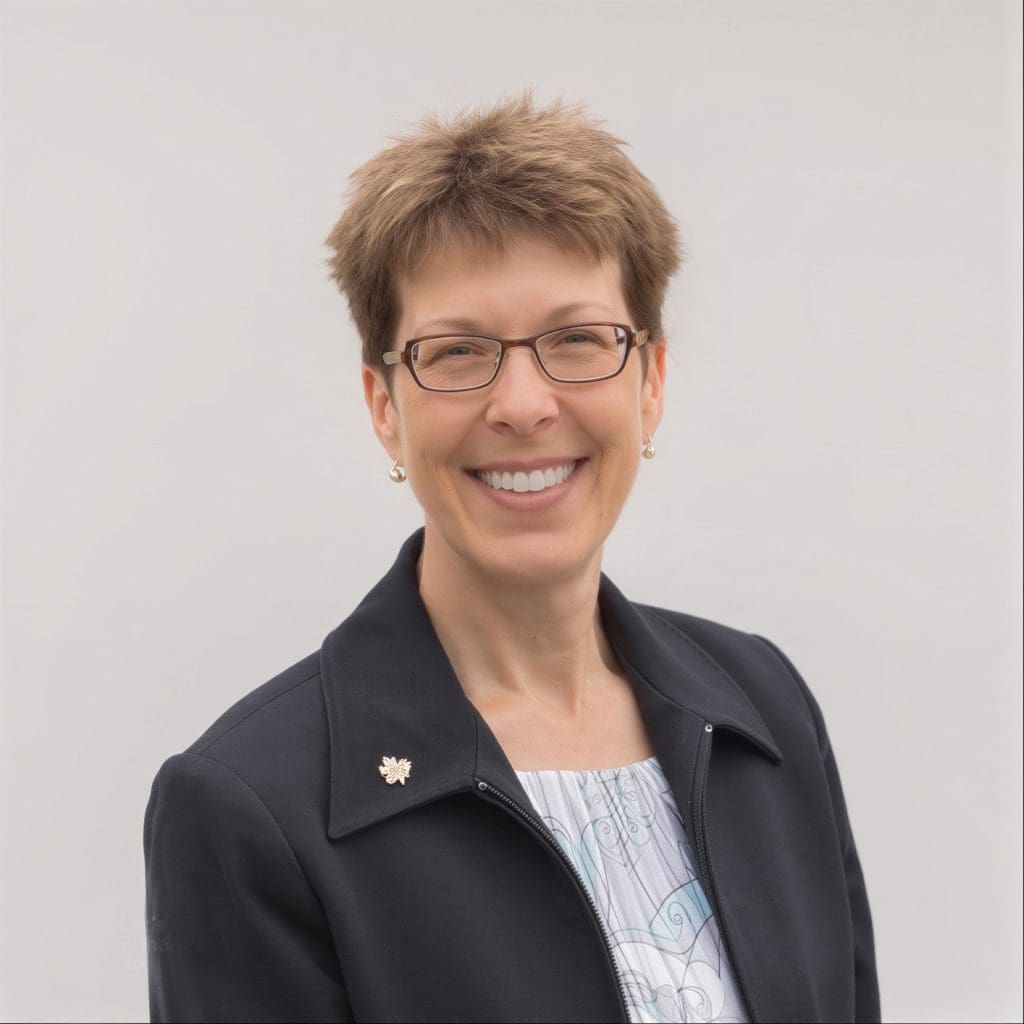
Program Coordinator of Wilfrid Laurier University’s newly launched Bachelor of Science in Paramedicine, a part-time, fully online degree designed specifically for working paramedics across Canada. To reach her: paramedicdegree@wlu.ca
Co-inventor of the Ottawa Paramedic Physical Abilities Test (OPPATTM), an evidence-based assessment used to support paramedic physical readiness and safety, now influencing policy and practice in Canada and internationally.
Recipient of the Paramedic Chiefs of Canada Presidential Award of Excellence (2018), the first civilian to receive this honour, recognizing her longstanding commitment to paramedic health and advocacy.