


Remounts
Extending the Life of Your Ambulance
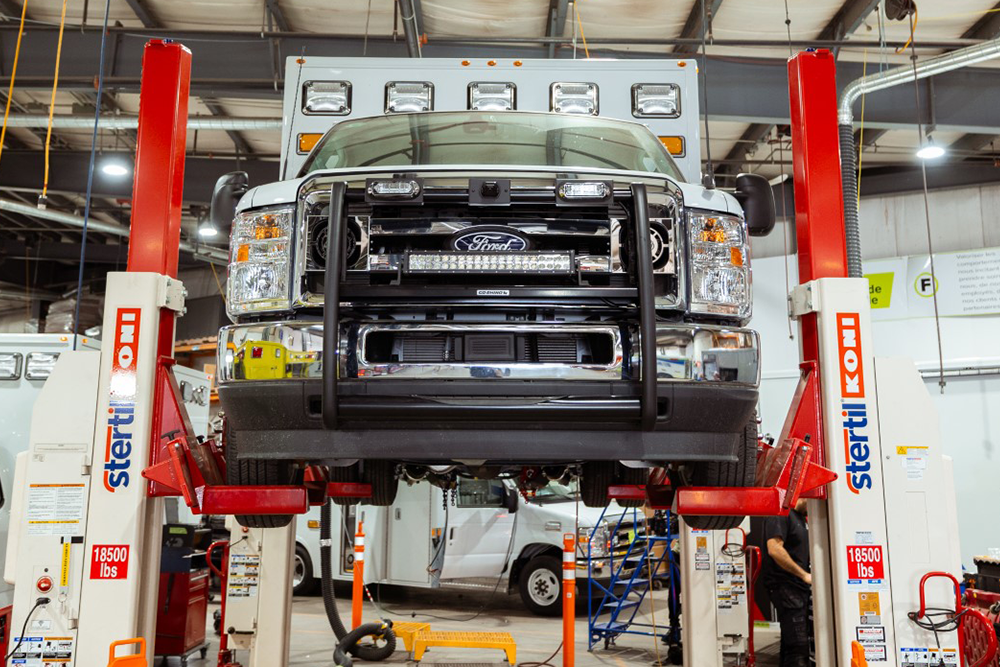
Our ambulance modules are engineered for long-term durability. Built with high-quality materials and disciplined manufacturing processes, they are designed to withstand years of demanding use. In many cases, the chassis reaches the end of its service life before the ambulance module does.
When that happens, a remount is a practical, cost-effective path forward. More than a chassis swap, a remount can mean pairing your existing module with a new chassis — or going further with module upgrades — all through a factory-backed process that restores drivability, reinforces OEM standards, and maximizes your fleet investment.
All remount projects are initiated and coordinated through your authorized dealer partner to ensure proper evaluation, planning, and ongoing support.
Why Consider a Demers Remount?
A remount is a cost-conscious way to extend the life of your structurally sound module while restoring drivability, safety systems, and overall performance on a new chassis. It reduces downtime and helps return your ambulance to service faster than ordering new.
It also provides an opportunity to modernize your fleet. During the process, electrical systems and components can be evaluated and upgraded to align with current technologies and operational expectations.
From initial build to remount and beyond, Demers supports the full lifecycle of your ambulance so your team can stay focused on what matters most.
The Remount Process
A Demers remount follows a structured, factory-backed process designed to ensure safety, compatibility, and long-term reliability. Each stage is guided by engineering standards and disciplined quality oversight to support continued alignment with recognized ambulance safety standards.
Step 1: Comprehensive evaluation
The process begins with a detailed evaluation of your existing ambulance. In coordination with your authorized dealer partner, the module undergoes a thorough inspection to assess structural integrity, system condition, and overall suitability for remount.
This in-person assessment identifies required repairs, confirms chassis compatibility, and defines the scope of work needed to restore and modernize the unit.
Step 2: Scope definition & upgrade planning
Certain updates are mandatory as part of every remount. Based on the evaluation, additional improvements may also be recommended.
This phase goes beyond cosmetic updates. Electrical systems, safety components, and configuration options are reviewed to identify opportunities to enhance reliability, integrate new technologies, and improve ergonomics and operational efficiency.
Your dealer partner works with you to review recommended updates and align the project with your operational goals.
Step 3: Module integration & engineering validation
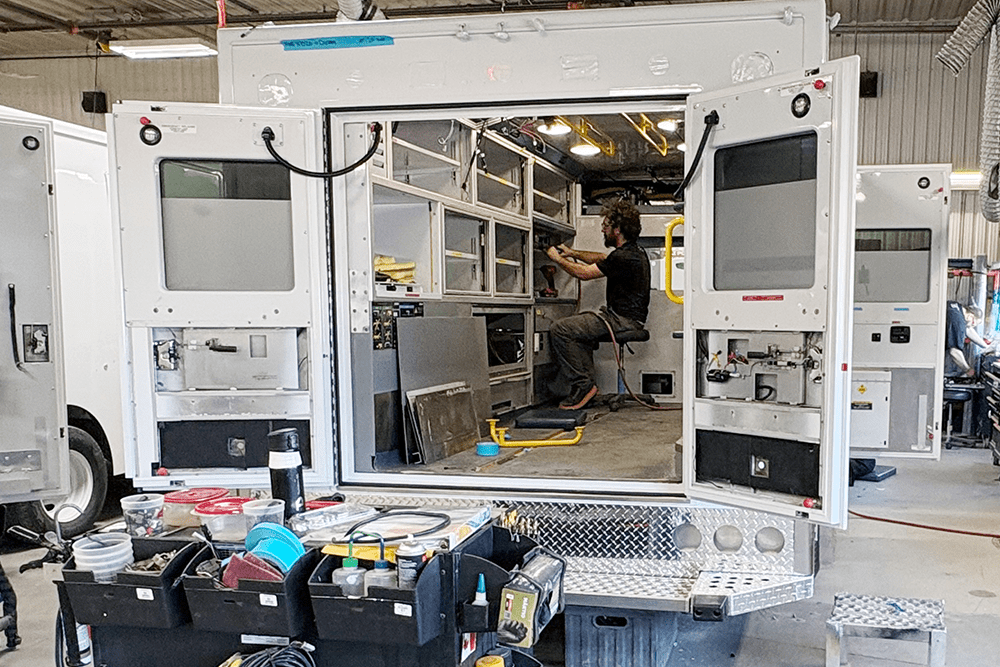
Once the project scope is finalized, work begins. The patient module is carefully removed from the original chassis and prepared for integration with a new, compatible chassis platform.
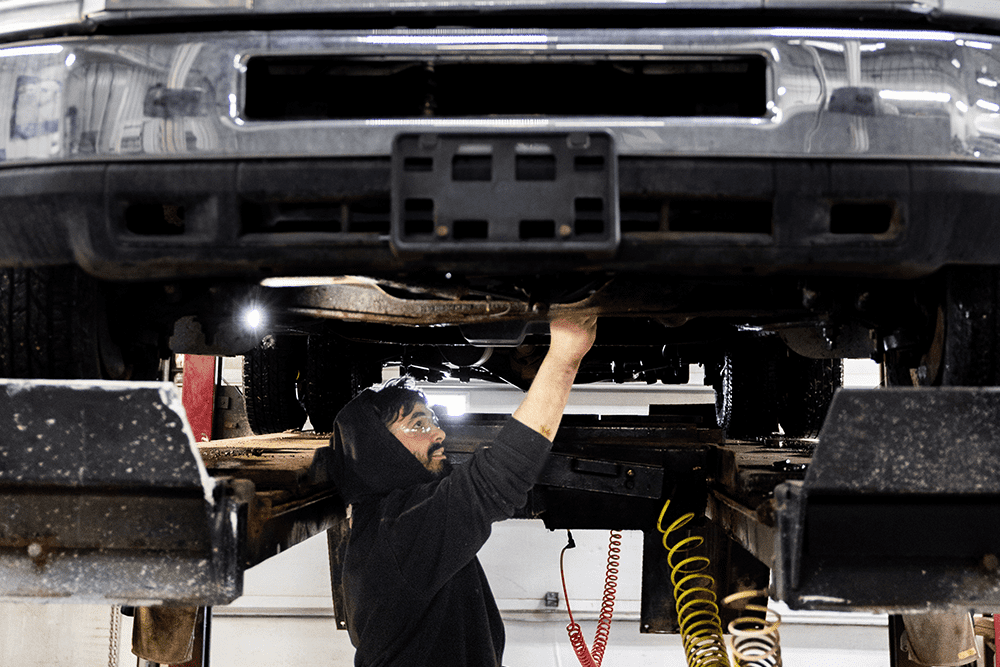
During this phase, engineering teams validate mechanical interfaces, mounting systems, and electrical compatibility to ensure proper alignment with current chassis technology. Certified technicians complete the installation using OEM-approved processes and components.
Step 4: Quality assurance & final validation
Before returning to service, the remounted ambulance undergoes comprehensive quality checks and validation procedures.
Each unit is inspected to confirm structural integrity, system functionality, and compliance with applicable safety standards. Road testing and final inspections ensure the vehicle performs safely and reliably in real-world EMS environments.
How to Get Started
Every remount project begins with your authorized Demers dealer partner. Your dealer evaluates whether your existing ambulance is a strong candidate for remount by assessing the module’s structural condition, reviewing service history, and confirming chassis compatibility.
From there, your dealer coordinates project planning, including specification review, scheduling, and alignment with your operational needs. Throughout the process, they serve as your primary point of contact, managing communication and ensuring the remount remains on track from initial evaluation through return to service.
Common Questions About Ambulance Remounts
If you are considering a remount, you likely have questions about safety standards, performance, warranty coverage, and long-term reliability. These answers provide clarity on how the process works, what to expect, and how a factory-backed remount supports your ambulance throughout its lifecycle.
What is an ambulance remount?
An ambulance remount involves removing your existing patient module from its current chassis and installing it onto a new, compatible chassis. The module is thoroughly inspected, updated, and validated to ensure it meets current safety and performance standards. This process restores drivability and extends the life of your original investment.
What is evaluated during the remount process?
The module undergoes structural inspection and engineering review to confirm OEM compliance. Electrical systems, safety components, mounting systems, and chassis compatibility are evaluated and validated as part of the factory-backed process.
Remount or buy a new ambulance: which is the better decision?
The right decision depends on your module’s condition and your long-term replacement strategy. If the structure remains sound and functional, a remount can extend service life and restore performance. If the module no longer meets your operational or structural requirements, purchasing a new one may be the better path. Your authorized dealer partner can help evaluate both options.
How is a remount different from purchasing a new ambulance?
A remount reuses your existing patient module and installs it onto a new chassis. A new ambulance includes both a new chassis and a newly built module. Remounting can be a strategic option when the module remains structurally viable and aligned with your operational needs.
What is the average lifespan of an ambulance?
Lifespan varies based on service environment, maintenance practices, and operational demands. In many cases, the chassis wears out before the ambulance module. Because Demers modules are quality-engineered for performance and durability, a remount can provide a second service life when the module remains structurally sound.
What are the benefits of remounting my ambulance?
Remounting extends module life, restores chassis performance, and reduces downtime compared to full replacement cycles. It can also provide cost savings compared to purchasing a new ambulance and typically offers shorter lead times, helping units return to service faster. The process creates opportunities to modernize systems and integrate updated technologies. When completed through our factory-backed process using approved components and engineering standards, a remount can also preserve and extend applicable warranty coverage, ensuring your unit remains fully supported for continued service.
How do I know if my ambulance is eligible for a remount?
Eligibility is determined through a comprehensive evaluation of the module’s structural integrity, system condition, service history, and compatibility with available chassis platforms. Your authorized dealer partner coordinates the inspection and confirms qualification.
Are Demers remounts factory-backed and compliant with industry safety standards?
Yes. Remounts follow OEM-approved engineering processes and quality validation procedures. Each remounted ambulance meets or exceeds current GVS V2.0, CMVSS, and FMVSS requirements before returning to service.
How can I extend the lifespan of my existing ambulances?
Consistent preventive maintenance and structured lifecycle planning are essential. When the chassis reaches the end of its service life but the module remains structurally sound, remounting allows you to significantly extend the vehicle’s overall life while restoring safety and performance.
Is warranty coverage offered for a remount?
Warranty coverage depends on the scope of work completed during the remount process.
If the care module is repainted or repaired during the remount, a limited paint warranty applies for 2 years or 36,000 miles, whichever comes first. If the original paint remains intact and ownership is unchanged, the original lifetime paint warranty continues to apply.
If the remount is completed before the original modular body structure warranty expires, remaining structural coverage stays in effect when completed through a Demers authorized partner.
Electrical components, materials, and labor are covered for 2 years or 36,000 miles, whichever comes first, excluding components installed or replaced during the remount process.
Complete warranty terms are available from your authorized dealer partner.