


Explore By Model
Find the Right Ambulance Model Designed For Your Crew
Browsing by model lets you quickly evaluate ambulance size, layout, and capabilities based on how your crews work. Our model names reflect module dimensions, making it easier to understand interior space and configuration differences at a glance. Use this page to identify which models align with your operational requirements.
We offer models across Type I, Type II, and Type III platforms with multiple chassis options. While sizes and layouts vary, every Demers ambulance reflects the same commitment to ergonomic design, structural durability, and crew support in demanding EMS operations.
Start Exploring By Model
Select a model below to view specifications, layouts, and available configurations.
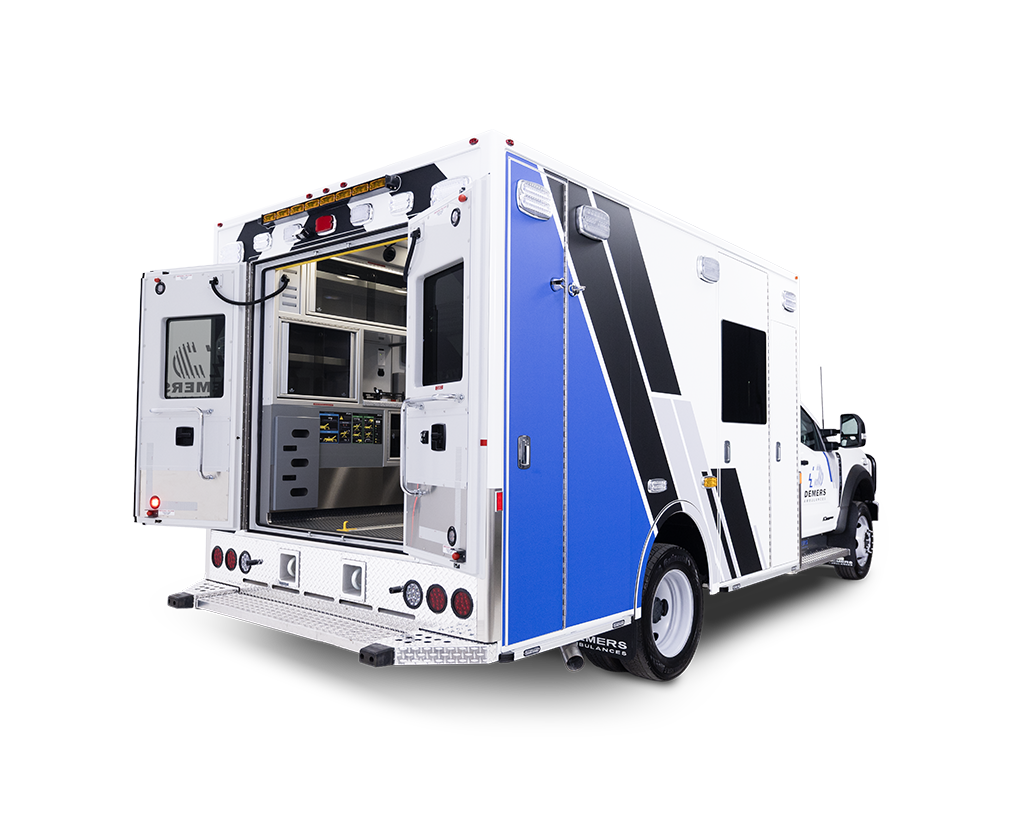
MXP 150
Type I
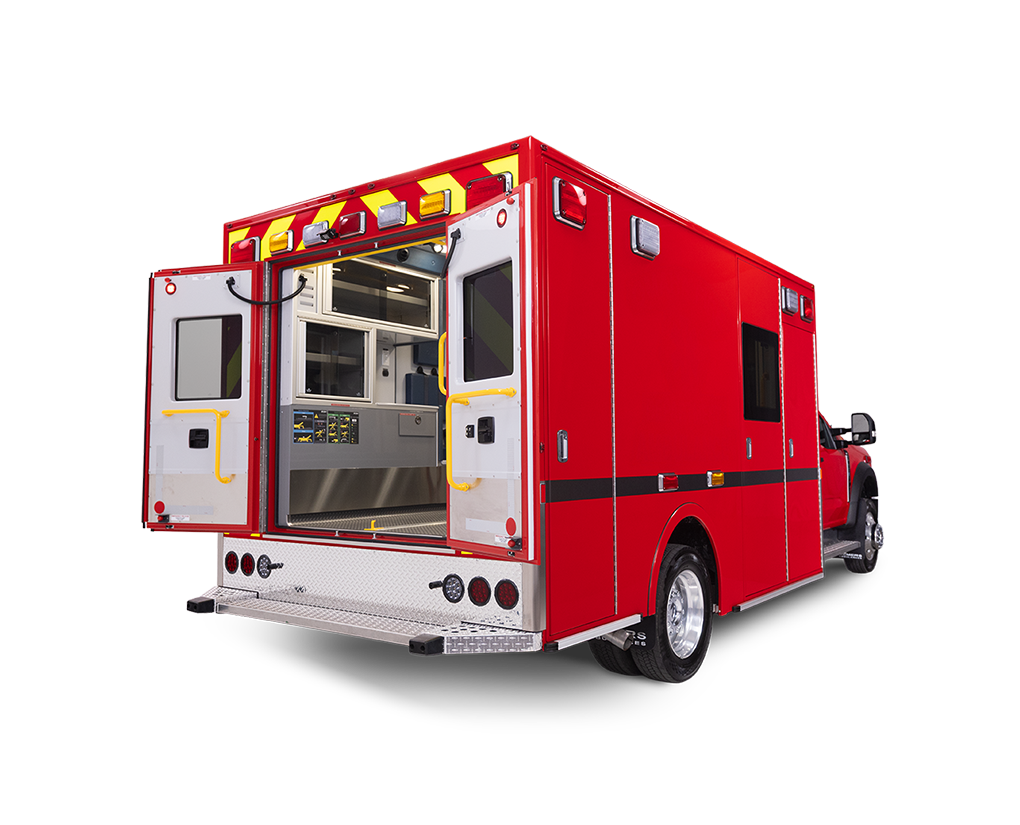
MXP 170
Type I
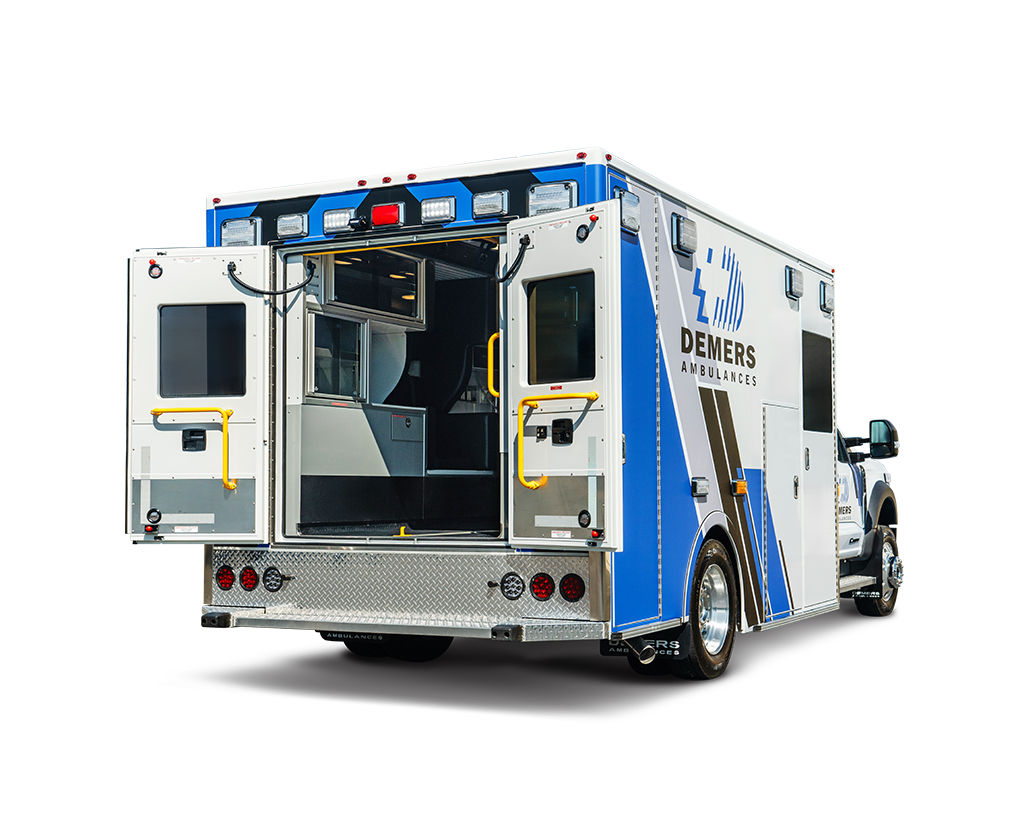
MXP 170DFE
Type I

FXP 174
Type I

Transit TSE
Type II
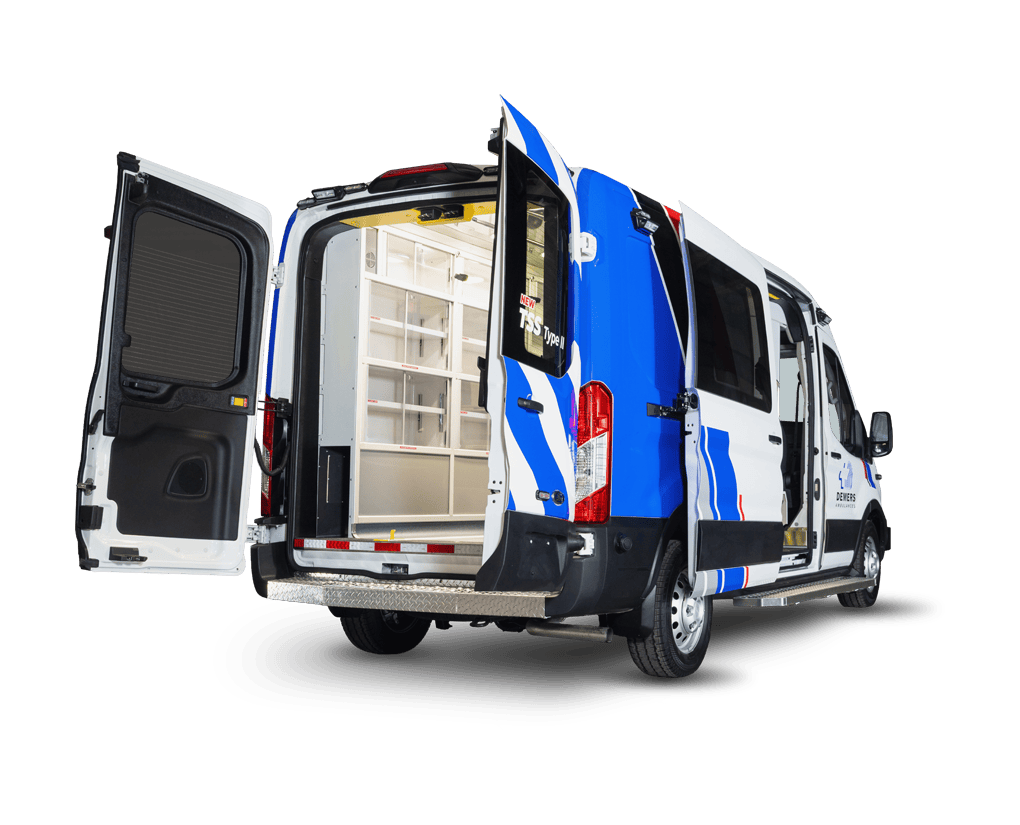
Transit TSS
Type II

MX 164
Type III

MX 170
Type III
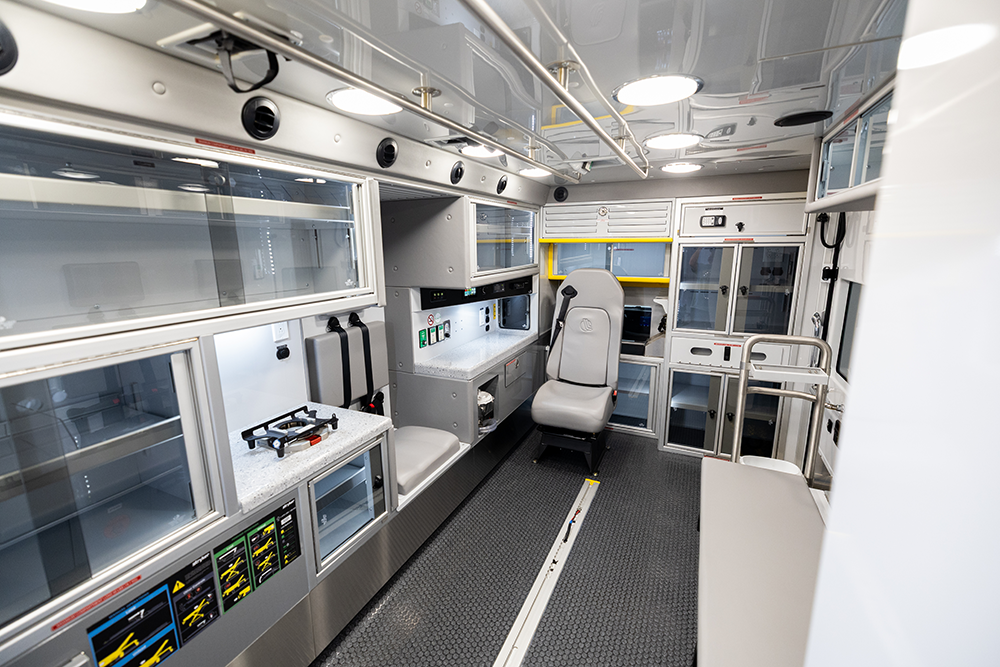
Standard On Every Model
Every Demers ambulance is built on the same foundation: quality, consistency, and user-focused engineering. All models feature:
- EMT-centric layouts shaped by ongoing field feedback
- Proven structural integrity and durable construction
- Ergonomic design that supports clinical workflow and reduces crew strain
- Engineered for crew safety, comfort, and operational longevity
- Built for extended service life and remount capability
Whether Type I, Type II, or Type III, each model reflects these same standards. We select and refine materials, systems, and layouts to deliver reliable performance and operational adaptability as EMS demands evolve.
FAQs to Help You Choose the Right Ambulance Model
If you are comparing models and deciding where to start, the answers below address the most common questions we hear during the early stages of the buying process.
What are the most popular Demers ambulance models?
Some of our most frequently selected models include the MXP 150, MXP_170, and the FXP 174. While these models are popular for their balance of space, layout flexibility, and versatility, popularity alone does not determine the right choice for every organization. Your authorized Demers dealer partner can help evaluate your specific operational needs and guide you toward the model that best fits how your crews work.
How do I choose the right ambulance model?
The right model depends on your operational requirements. Call volume, transport distances, patient acuity, crew size, and equipment capacity all factor into the decision. Review your service data and operational patterns, then work with your authorized Demers dealer partner to discuss which model addresses your specific needs. They can explain how different configurations perform in similar operational environments and help narrow your options.
Does the ambulance model impact lead time?
Yes. Lead times can vary by model based on production schedules, configuration choices, and chassis availability. Your authorized dealer partner can provide current timelines and help set expectations early in the process.
Does the ambulance model affect pricing?
Yes. Pricing varies by model based on module size, chassis platform, interior configuration complexity, and selected options. Larger modules with more interior space and additional features typically carry higher base costs, but your authorized Demers dealer partner provides accurate pricing based on your specific configuration and helps evaluate total cost of ownership—including fuel efficiency, maintenance requirements, expected service life, and remount potential. Demers modules are built for remounting, offering a cost-effective fleet management strategy that extends your investment when the chassis reaches end of life.
How do I know what comes standard on every ambulance?
Each Demers model includes a robust set of standard features focused on safety, ergonomics, and durability. These include:
- Multiplex electrical system (MMC)
- High-Visibility Flush Mount Windows
- Lightweight Design
- Clever Cabinetry
- EcoSmart Technologies
- Anti-Idling System
- Independent Ducted Heat & AC
- Double Door Seals
- 4-Point Safety Belt System
What options are available on each model?
Configuration options differ by model and chassis platform. While model pages outline available features, your authorized Demers dealer partner conducts a needs assessment to match options to your operational requirements—ensuring you specify features that improve crew efficiency and patient care delivery rather than simply adding equipment
Which models work best for rural EMS services?
Rural EMS agencies often prioritize durability, storage, and adaptability for longer transport times. Several Demers models are well-suited for rural operations, and your authorized dealer partner can help identify the best match based on geography and call profile. You may also consider taking a look at our Model Comparison Chart.
Which models are best for high-call-volume urban EMS?
Urban EMS operations face distinct challenges: high call volume, tight maneuvering spaces, rapid patient turnover, and crew fatigue from repetitive movements. Demers addresses these demands with models engineered for compact footprints, intuitive equipment layouts, and ergonomic design that reduces physical strain during 12+ hour shifts. Review our Model Comparison Chart to evaluate options, then connect with your authorized Demers dealer partner to identify which Type I or Type III configuration aligns with your service area density, average transport times, and staffing model.